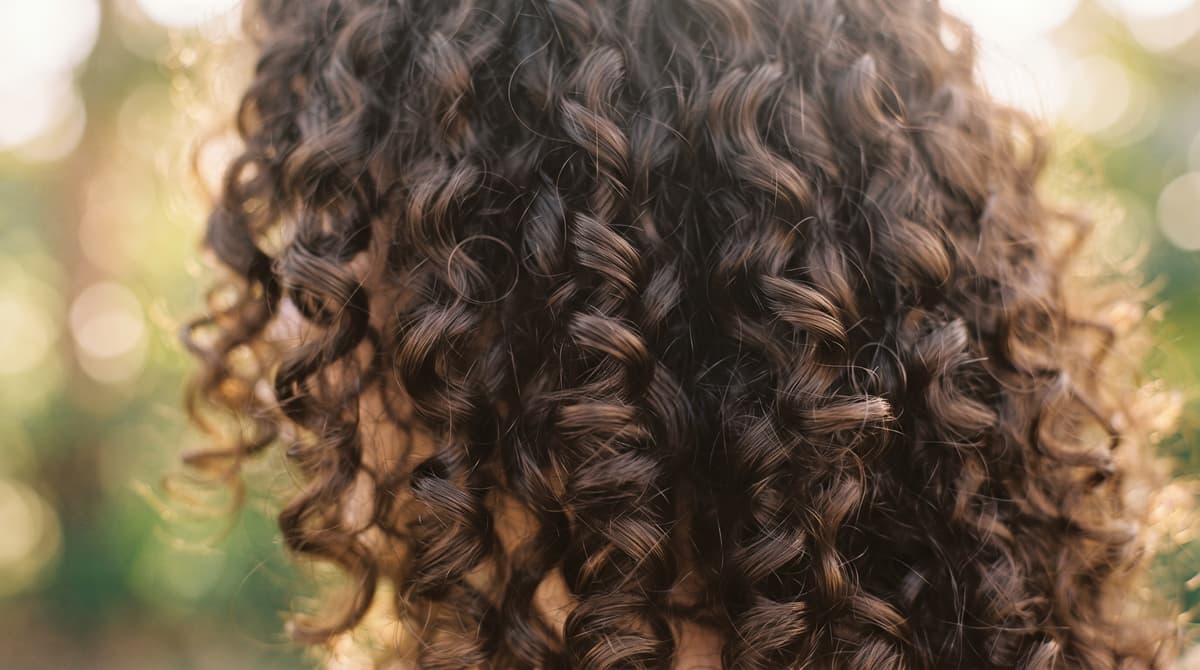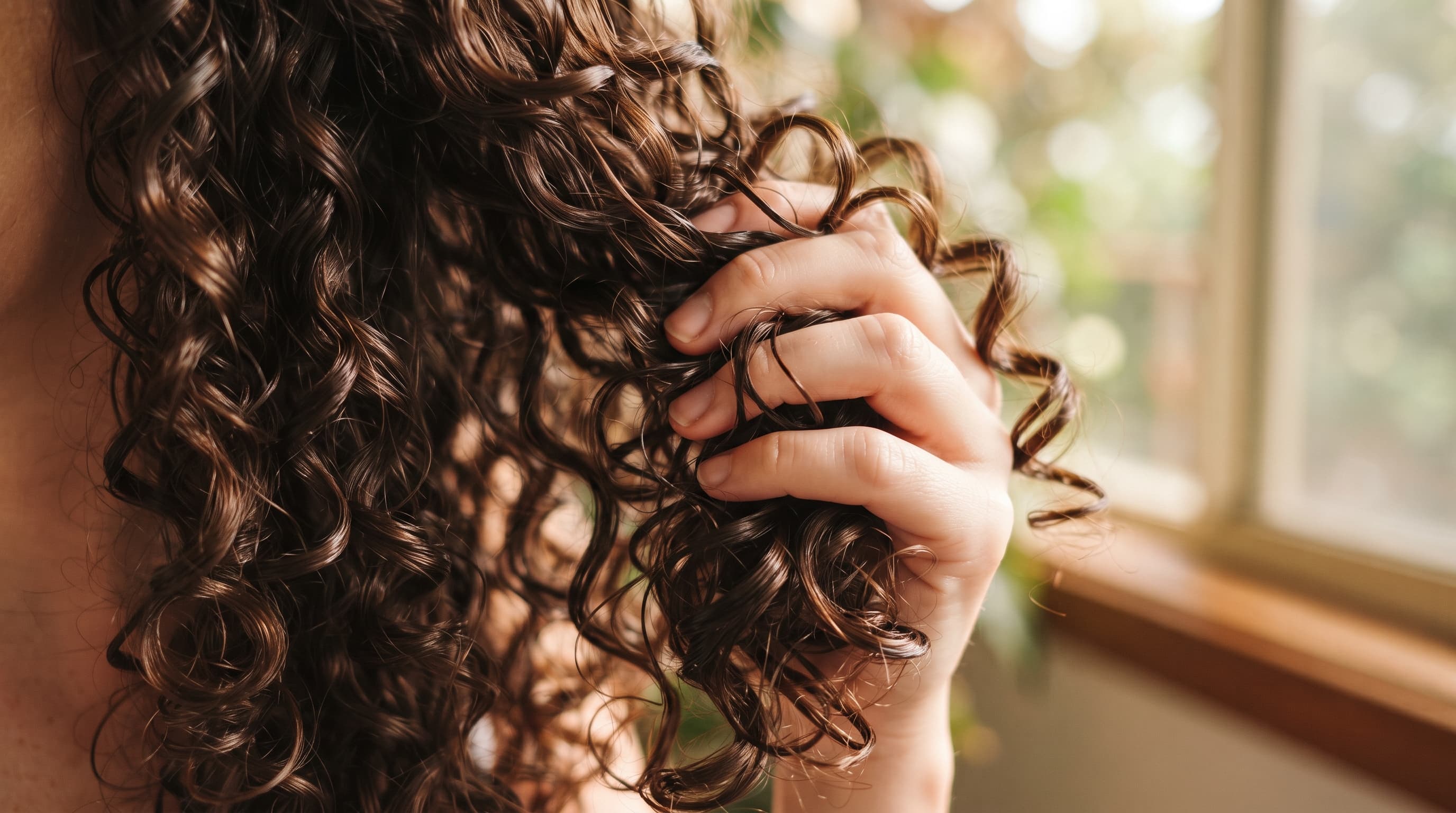
Your curls aren’t difficult, they’re just different. If you’ve spent years fighting your natural texture, reaching for the straightener, or simply accepting “frizzy” as your default, the Curly Girl Method might change everything.
I’m Debbie, and I’ve spent years helping curly and wavy clients here in Toowoomba get the most from this method — with the local tweaks that make it actually work in our climate. Here’s how it works, and how we adapt it for Queensland curls.
What Is the Curly Girl Method?
The Curly Girl Method (CGM) is a hair care approach developed by Lorraine Massey that focuses on working with your natural curl pattern rather than against it. At its core, it’s about four things:
● Ditching harsh sulphates that strip your hair’s natural oils
● Avoiding silicones that create buildup and weigh down curls
● Embracing moisture as the foundation of healthy curls
● Learning your curl pattern and what it actually needs
Why Doesn’t the Curly Girl Method Always Work in Queensland?
Because the method was developed for different climates. Here’s what most CGM resources won’t tell you: Toowoomba’s humidity, especially in summer, creates unique challenges for curly hair. Products and techniques that work beautifully in dry climates can leave Queensland curls frizzy, flat or weighed down.
After years of working with curly clients across our region, we’ve adapted our approach:
● Humidity-resistant products — lightweight gels and mousses that define without a crunchy cast
● Modified refresh techniques — because Queensland mornings are different from Californian ones
● Seasonal adjustments — your curls need different care in January versus July
How Do You Start the Curly Girl Method?
If you’re new to the method, here’s a simple five-step framework to begin with.
Step 1: The Reset Wash
Use a clarifying shampoo (yes, with sulphates) to remove all existing buildup. This is a one-time reset before you transition to gentler products.
Step 2: Choose Your Cleansers
Look for sulphate-free shampoos or co-washes (conditioner-only washing). Your scalp still needs cleaning, just not the harsh stripping that sulphates cause.
Step 3: Condition Generously
This is where the magic happens. Curly hair is naturally drier than straight hair, because the oils from your scalp have a harder time travelling down the hair shaft. Generous conditioning is essential.
Step 4: Style on Wet Hair
Apply your styling products (gel, mousse or cream) while your hair is still soaking wet. This helps lock in moisture and define your curl pattern.
Step 5: Dry with Care
Avoid rough towel-drying, which creates frizz. Use a microfibre towel or cotton t-shirt to gently scrunch, then air dry or diffuse on low heat.
What Are the Most Common Curly Girl Method Mistakes?
● Too much product — start with less than you think you need; you can always add more
● Touching your hair while drying — hands off, every touch creates frizz
● Expecting overnight results — your curls have been suppressed for years, so give them time to recover and find their pattern
● Following the “rules” too rigidly — CGM is a framework, not a religion; if something doesn’t work for you, adjust
How Do You Find Your Curl Type?
Understanding your curl type helps you choose the right products and techniques:
● Type 2 (Wavy) — S-shaped waves, from loose to more defined
● Type 3 (Curly) — springy curls, from loose loops to corkscrew spirals
● Type 4 (Coily) — tight coils and zig-zag patterns
Most people have multiple curl types on their head, and that’s completely normal.
Why Work with a Curly Hair Specialist?
You can absolutely learn CGM on your own — YouTube is full of tutorials and there are fantastic online communities. But there’s something different about having someone who understands curly hair actually cut your curls properly. Traditional haircuts are done on wet hair, which doesn’t account for how curls spring up when dry.
At Applebom we use dry-cutting techniques like DevaCut and Rezo Cut that work with your natural curl pattern. The difference is transformative.
Curly Girl Method FAQs
Can you do the Curly Girl Method in humid weather?
Yes, with adjustments. In Toowoomba’s humidity, lightweight humidity-resistant gels, modified refresh techniques and seasonal tweaks keep curls defined rather than frizzy.
Do you have to give up shampoo on the Curly Girl Method?
Not entirely. You start with one clarifying wash, then move to sulphate-free shampoos or co-washing. Your scalp still needs cleaning.
How long does the Curly Girl Method take to work?
Give it time. Curls suppressed by years of heat and stripping need several weeks to recover and find their pattern, so don’t expect overnight results.
Is the Curly Girl Method suitable for wavy hair?
Yes. Type 2 wavy hair benefits from the same principles, usually with lighter products so waves aren’t weighed down.
Ready to Embrace Your Curls?
The journey to loving your natural hair isn’t always linear. There will be bad hair days, products that don’t work and moments of frustration. But there will also be the first time you see your curls truly defined, the day a stranger compliments your hair, and the morning you spend 15 minutes instead of an hour getting ready.
Come over to the curly side. If you’re in Toowoomba or across the Darling Downs, book a curly hair consultation and we’ll help you get there.
.jpeg&w=1200&q=75&dpl=dpl_68p7mYTXRZUe9RGtTMY1GMZEHuzo)